

Everyone has heard of Abu Lahab, the Prophet’s uncle. He is the only enemy of the Prophet ﷺ mentioned by name in the Quran. One of the first surahs we learn is Surat al-Masad, which begins: “May the hands of Abu Lahab perish.” He and his wife, Umm Jamil, stopped at nothing to oppose the Prophet and his mission. Unsurprisingly, Abu Lahab met a sticky end. But what about Abu Lahab’s children? What happened to them?
His two oldest sons were betrothed to two of the Prophet’s daughters: ‘Utbah to Ruqayyah and ‘Utaybah to Umm Kulthum. This shows how close the Prophet ﷺ was to his uncle and how much he honoured his two cousins. However, when Surat al-Masad was revealed and the Prophet began openly calling people to Islam, things changed drastically. Abu Lahab ordered his sons to divorce their wives, and they did so before the marriages had actually been consummated. ‘Utaybah did not only dishonour the Prophet by divorcing his daughter, but publicly insulted him and mocked the Quran. The Prophet responded with a prayer: “O Allah, set one of Your dogs on him.” Later, ‘Utaybah set out for Syria as part of a trade caravan. In spite of the efforts of his travelling companions to protect him, the Prophet’s prayer was answered. A lion slunk into the camp at night and began smelling the heads of the party one by one until it found ‘Utaybah, whereupon it pounced upon him and killed him.
Utaybah’s sister Durrah could not have been more different. She embraced Islam and sacrificed everything in making the hijrah to join the Prophet ﷺ in Madinah. When some women of the Ansar insulted her due to her being the daughter of Abu Lahab, the Prophet was upset. He defended her and reminded the people that she was part of his family. Her two sisters, Khalidah and ‘Izzah, also accepted Islam.
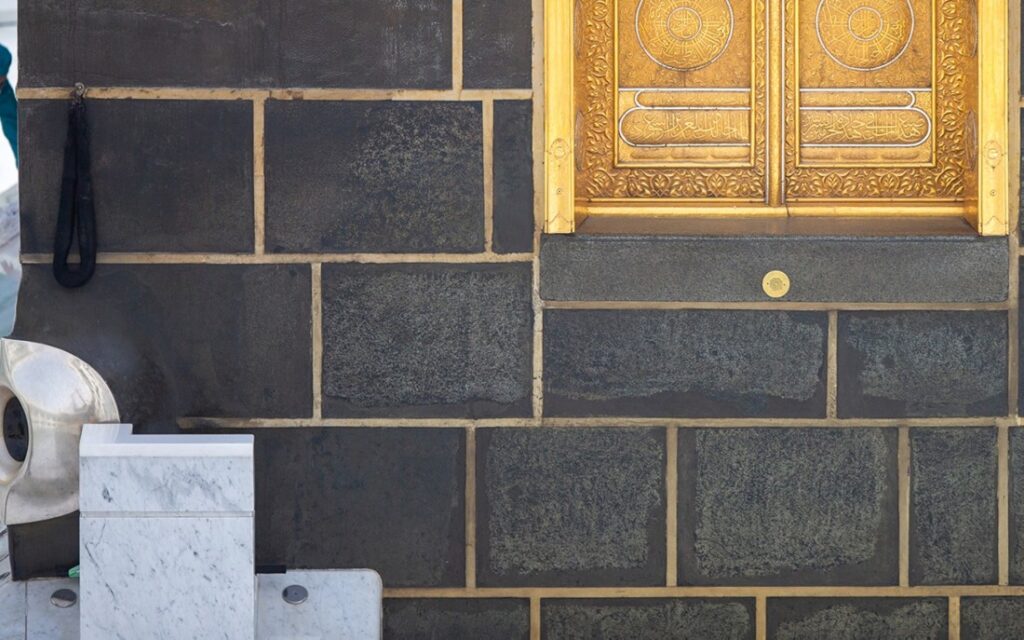
Years passed, and the Prophet entered Mecca peacefully and many of its people entered Islam immediately. The Prophet told his uncle al-‘Abbas that he wanted to see ‘Utbah and Mu’attab, ‘Utbah’s younger brother, and asked about their whereabouts. ‘Abbas knew that they had gone to ‘Arafah along with other members of Quraysh who had left Mecca and may have still been hostile to Islam. ‘Abbas rode to ‘Arafah and brought them to the Prophet. The Prophet ﷺ spoke to them for a short time and then they accepted Islam and pledged allegiance to him. Then he took them both by the hand and walked between them to the Ka’bah. At the Multazam, the area between the Black Stone and the Door of the Ka’bah, he made a long prayer, as he often did. When he left, joy could be seen on his face. ‘Abbas noticed and asked him why he was so happy. He replied: “I asked my Lord to give me these two sons of my uncle and He gave them to me.” We are told that both ‘Utbah and Mu’attab went out with the Prophet soon after this to the Battle of Hunayn. They distinguished themselves and proved their commitment to the faith by standing firm with the Prophet while many others fled in panic.
There are many beautiful stories like this, where people who had previously been staunch opponents of the Prophet embrace Islam, but this one is particularly special. It is not well known, perhaps because ‘Utbah seems to have lived a quiet life after accepting Islam. He remained in Mecca and not much is related about him. What is striking is the Prophet’s concern for his two relatives. So many other things must have been happening at that time and we can only imagine the Prophet’s emotions seeing the Meccans entering Islam in droves. But he didn’t forget his two cousins. He always remained loyal to his family and sadness at his treatment at the hands of his uncle Abu Lahab must have remained with him. But even if the older generation sealed their own fate, the Prophet never gave up on the younger generation. The very human desire for revenge was completely absent. ‘Utbah divorced the Prophet’s beloved daughter and then stood with his people against the Prophet for around 20 years. Even when the Prophet entered Mecca, he did not come to him to apologise, but rather avoided him and waited outside the city. It was the Prophet who sent for him and it was the Prophet who asked his Lord to be given his two nephews as a gift. And Allah duly gave him that gift. A family tie that had been so harshly cut was now restored. Islam would live on in the descendants of Abu Lahab. And nothing made the Prophet happier.
(This story can be found in the biographies of the Companions: Usd al-Ghabah, al-Isabah and Tabaqat Ibn Sa’d)